Learn about wool
Background on the sheep, the people and the steps behind New Zealand wool.
Sheep breeds
The main breeds farmed for wool in New Zealand, and the Angora goat for mohair. Choose one to see its wool and what it is used for.
Merino16 to 24 microns
A fine-wool breed with a soft, dense and tightly crimped fleece. Most New Zealand Merino is farmed in the high country of the South Island.
- Typical uses
- Next-to-skin clothing, base layers, fine knitwear
- Where it is farmed
- South Island high country, including Canterbury, Otago and Marlborough
Figures are typical ranges. [Placeholder: check with a wool broker or industry body before launch.]
Quick quiz
Three questions about New Zealand wool. Everything you need is on this site.
Question 1 of 3
Which breed grows the finest wool?
Animal welfare
Good handling is better for the sheep and for the people working with them. Many brands now also ask how the wool they buy was produced.
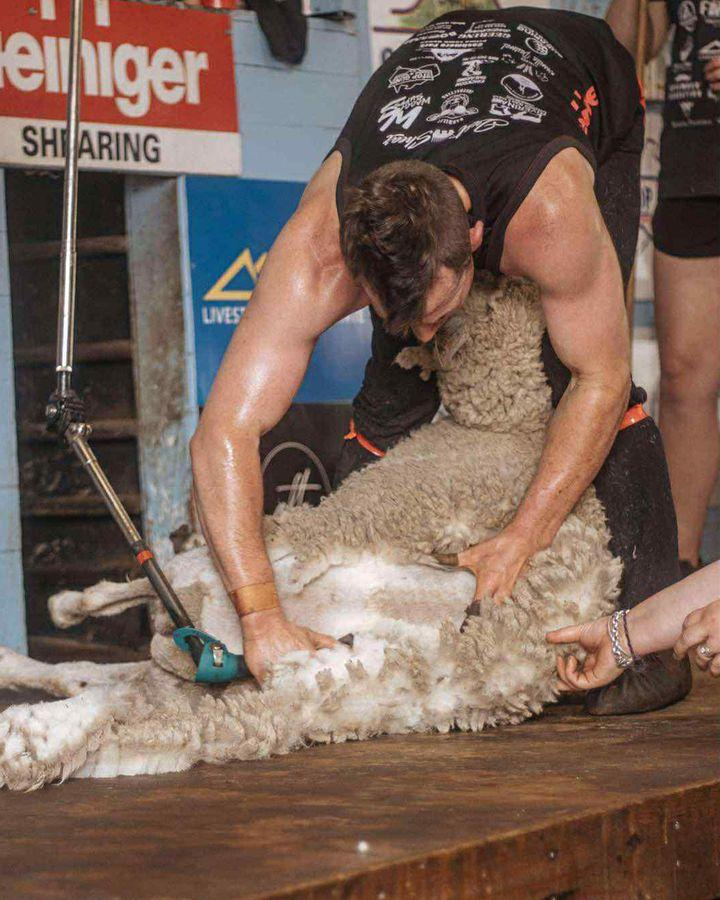
Shearer training
Technique affects how sheep are held, how often they are cut and how worn out the shearer is by the end of the day. We want to collect training material in one place and connect young shearers with experienced ones.
Standards
New Zealand has a Code of Welfare for sheep and beef cattle, and several wool programmes set their own standards on top. We want to make these easier to understand.
Resources
[Placeholder: training courses, guides and contacts, added once members have reviewed them.]
Traceability
A jumper or a carpet can only be traced back to the farm if every step records where the wool came from. Most of that information is lost where wool from many farms is blended.
Tracing a bale
A code that follows the wool from the farm to the finished product would let anyone see where it came from and how it was produced. Members can work on how to make that happen.
Farm
Sheep are raised and shorn on a registered farm.
Recorded at this step
Farm ID, flock, breed, welfare programme